
Switching to a vegan lifestyle is one of the most rewarding decisions you can make for your health, the environment, and animal welfare. But for many beginners, it can also feel overwhelming—especially when you’re unsure what to eat, what to expect, and what you should avoid during the transition. Whether you’re going vegan for ethical reasons, wellness goals, or personal curiosity, this guide will give you the foundation you need to start confidently and sustainably.
What to Eat on a Vegan Diet

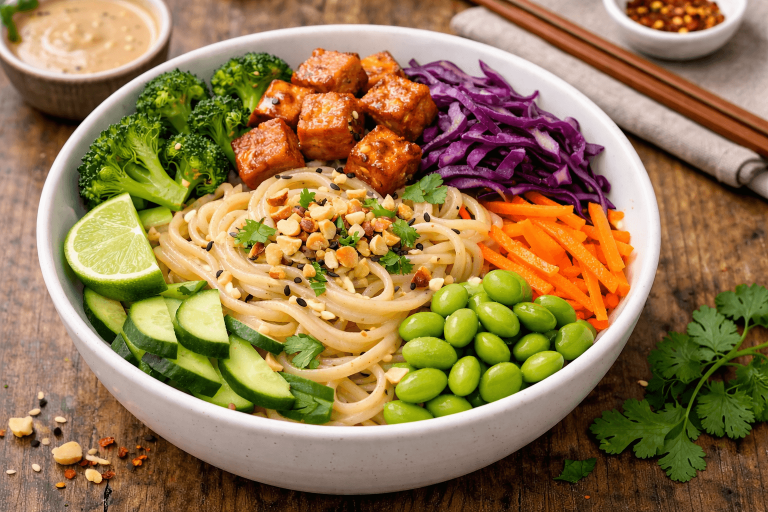
One of the biggest misconceptions about going vegan is the idea that you’ll constantly feel restricted. In reality, a well-planned vegan diet can be incredibly diverse, colorful, and delicious. The core of vegan eating revolves around whole, plant-based foods that nourish your body naturally.
Start by building your meals around these main food groups:
1. Fruits and Vegetables
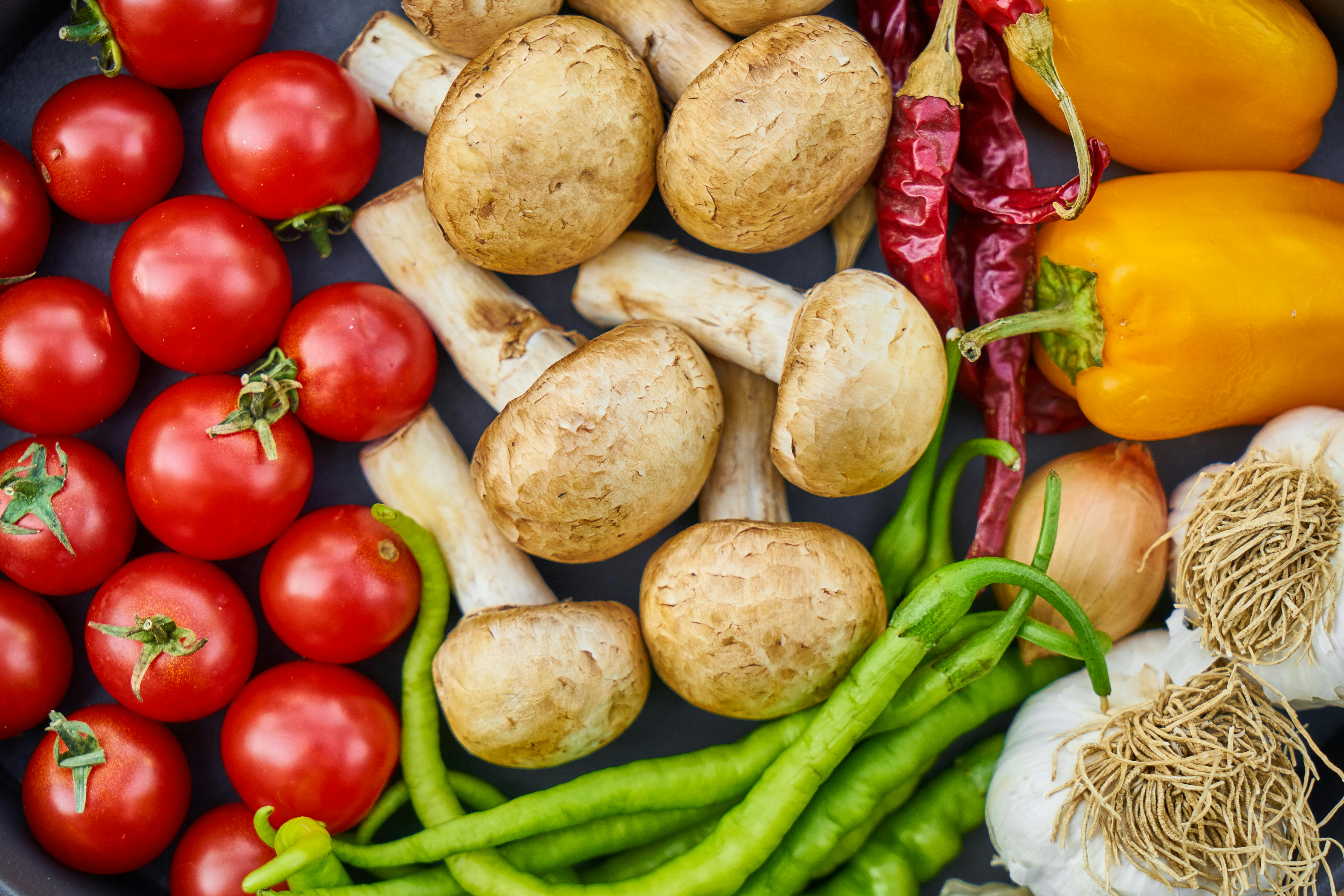
These should make up a large portion of your daily intake. Think leafy greens, berries, root vegetables, cruciferous veggies, and seasonal fruits. They supply essential vitamins, antioxidants, and fiber.
2. Whole Grains
Brown rice, quinoa, oats, barley, and whole-grain bread or pasta offer long-lasting energy while supplying key nutrients like iron and B vitamins.
3. Legumes and Beans
Lentils, chickpeas, black beans, and soy products like tofu and tempeh are excellent sources of plant-based protein. They help keep you full and support muscle health.
4. Nuts and Seeds
Almonds, chia seeds, walnuts, and pumpkin seeds are packed with healthy fats, protein, and minerals. Add them to smoothies, salads, or oatmeal.
5. Plant-Based Alternatives
From almond milk to vegan cheese to meatless burgers, there are more options than ever before. Although convenient, these should complement your diet—not dominate it.
When you focus on whole foods, you’ll naturally create balanced meals that support your health and long-term wellness.
What to Expect When Transitioning to Veganism
Beginning a vegan lifestyle comes with a learning curve, but knowing what to expect can make the change easier and more enjoyable.
1. More Energy and Better Digestion
As your body adjusts to a higher-fiber, nutrient-dense diet, many people notice more consistent energy levels and better digestion. This is completely normal and a sign that your body is responding well.
2. Experimenting With New Foods
Going vegan often pushes you to try ingredients you may have never noticed before—nutritional yeast, lentil pasta, jackfruit, or dairy-free yogurts. Treat it like an adventure rather than a chore.
3. A Period of Adjustment
You may experience cravings at the start, especially if you were used to dairy or meat-heavy meals. These cravings usually fade as your taste buds adapt and you discover plant-based alternatives you genuinely enjoy.
4. Learning How to Order Out
Eating at restaurants will get easier over time. Most places now offer vegan options, but reading menus, asking questions, and customizing meals may become part of your routine.
What to Avoid When Going Vegan
Understanding what to avoid helps you stay aligned with your goals. Beyond the obvious—meat, dairy, and eggs—there are hidden animal products in everyday foods.
Here’s what beginners often overlook:
- Gelatin, found in gummy candies, marshmallows, and some desserts
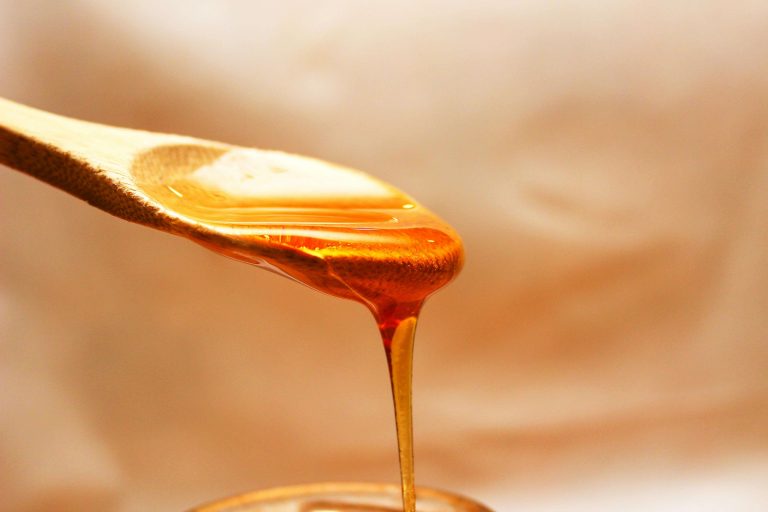
- Honey, used in many drinks, sauces, and snacks
- Carmine, a red dye made from insects
- Casein and whey, hidden in many “non-dairy” products
- Lard, used in baked goods or traditional dishes
Reading labels becomes an essential habit. Over time, you’ll quickly recognize which brands are vegan-friendly and which ingredients to avoid.
Final Thoughts: Start Slow and Keep It Simple
You don’t need to overhaul your diet overnight. Many people succeed by transitioning gradually—replacing one meal at a time, trying new recipes each week, and focusing on progress rather than perfection. Celebrate small wins, be patient with yourself, and remember that veganism is a journey, not a race.
By keeping your meals balanced, staying informed, and embracing the learning process, you’ll build a sustainable vegan lifestyle that benefits your health, supports the planet, and aligns with your values. If you’re ready to take the next step, start with simple, accessible meals and let your confidence grow from there.