
Introduction: The Honey Question
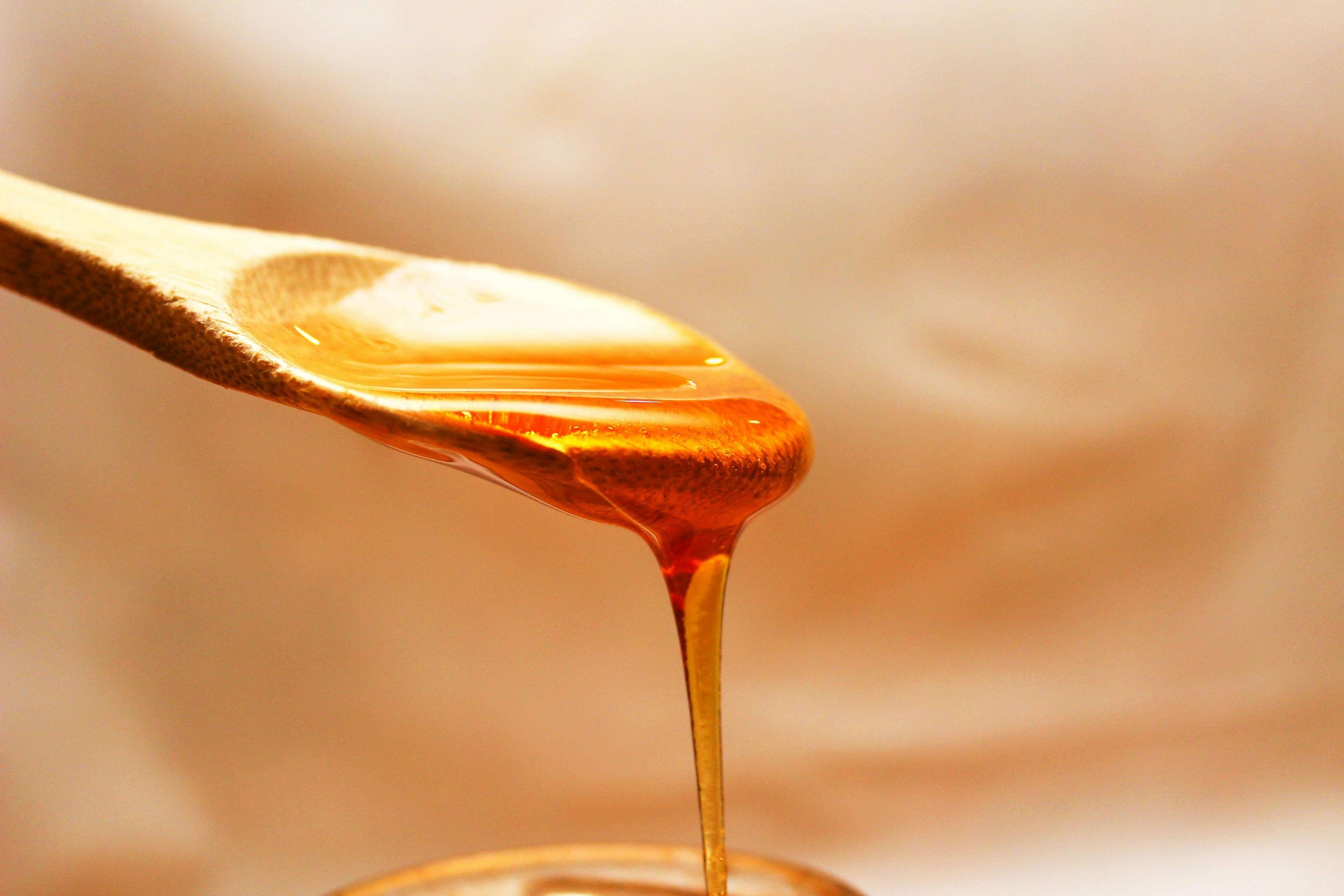
Few food questions spark as much quiet controversy as this one: can vegans eat honey? It sounds simple—almost innocent—but it sits right at the fault line of what veganism actually means in practice. Honey isn’t meat. It isn’t dairy. It comes from flowers… sort of. And yet, for many vegans, it’s firmly off the menu.
The confusion is understandable. Honey has long been marketed as natural, wholesome, even gentler than refined sugar. It doesn’t look like an animal product in the way bacon or cheese does, and for people transitioning to a vegan or plant-based diet, it’s often one of the last holdouts. So why the resistance?
The short answer is this: most ethical vegans do not consider honey vegan, because it is produced by animals and usually involves their exploitation. The longer answer—where things get interesting—is that not everyone who avoids animal products applies vegan principles in exactly the same way. For some, honey is a hard no. For others, it’s a grey area shaped by personal ethics, definitions, and how they view beekeeping itself.

What Does “Vegan” Actually Mean?
To understand why honey causes so much debate, you first have to understand what vegan means beyond food labels and supermarket aisles.
The most widely accepted definition comes from The Vegan Society, which describes veganism as a way of living that seeks to exclude, as far as possible and practicable, all forms of exploitation of, and cruelty to, animals. This is crucial. Veganism is not just a diet—it’s an ethical framework. Food is only one part of it.
From a dietary standpoint, this philosophy translates into avoiding all products derived wholly or partly from animals. That includes the obvious ones—meat, fish, eggs, dairy—but it also extends to less obvious ingredients like gelatin, certain food colorings, and, yes, honey.
This is where many people get tripped up. If veganism were purely about nutrition, honey might slide through on a technicality. But under the ethical definition, the origin of the product matters, not just its ingredients or health profile. If an animal is involved in producing it, and humans benefit from that labor or resource, it falls under scrutiny.
In other words, veganism isn’t about perfection or purity. It’s about intention. And once you frame it that way, the honey debate stops being about sweetness—and starts being about ethics.

Why Honey Is Usually Considered Non-Vegan
At its core, the case against honey in veganism is surprisingly straightforward. Honey is an animal-derived product. It exists because bees make it—for themselves.
Honey bees collect nectar from flowers, carry it back to the hive, break it down with enzymes, and store it as a dense, energy-rich food source. This process is labor-intensive and essential to the survival of the colony, particularly during colder months when foraging isn’t possible. When humans harvest honey, they are taking something bees produced for their own consumption.
Under the standard ethical definition of veganism, that’s where the line is drawn. Veganism aims to avoid exploiting animals or benefiting from their labor, even when no direct harm is obvious. Just as milk is excluded because it comes from cows, honey is excluded because it comes from bees. The scale of the animal or the subtlety of the harm doesn’t negate the principle.
For many vegans, this isn’t about demonizing bees or beekeepers—it’s about consistency. If veganism rejects using animals as resources, then honey sits alongside eggs, dairy, and wool as something that simply doesn’t qualify as vegan, regardless of how natural or traditional it may seem.

Ethical Concerns Around Beekeeping
Beyond definitions, there’s a second layer to the honey debate: how honey is actually produced in the modern world. While the image of beekeeping often leans toward pastoral and gentle, commercial practices tell a more complicated story.
In industrial agriculture, managed honey bee colonies are frequently transported long distances to pollinate crops. These journeys can expose bees to crowding, stress, unfamiliar environments, pesticides, and disease. Entire hives can suffer massive losses in a single season, with tens of thousands of bees dying as a result of these pressures.
Honey harvesting itself raises ethical questions. When honey is removed, it is often replaced with sugar syrups that lack the same nutritional complexity as honey. Beekeepers may also intervene heavily in hive life, manipulating reproduction through practices like queen replacement and using chemical treatments to control parasites. While these methods are designed to maintain productivity, they prioritize output over the natural behavior and autonomy of the bees.
For ethical vegans, these realities matter. Even if bees aren’t slaughtered in the way farmed animals are, the system still treats them as tools within a supply chain. And under vegan principles, exploitation doesn’t require obvious cruelty—it simply requires using animals for human ends.
This is why, for most vegans, honey isn’t just excluded on principle. It’s excluded because the modern beekeeping industry often conflicts with the very idea of minimizing harm and exploitation wherever possible.

Why Some Vegans Choose to Eat Honey Anyway
Despite the dominant view within vegan ethics, honey isn’t universally rejected by everyone who avoids animal products. For a smaller but vocal group, honey sits in a moral middle ground—one shaped less by strict definitions and more by personal interpretation. These individuals often eat otherwise vegan diets but draw their own boundaries around what exploitation actually looks like in practice.
For them, the question isn’t “Is honey animal-derived?”—that part is undisputed. The question is whether all forms of beekeeping automatically constitute harm.
The “Ethical” or Small-Scale Beekeeping Argument
Supporters of ethical or small-scale beekeeping argue that not all honey production mirrors industrial agriculture. In these systems, beekeeping is framed as stewardship rather than extraction. Beekeepers may leave ample honey for the colony, avoid aggressive harvesting, and prioritize hive stability over yield.
From this perspective, honey is seen less as exploitation and more as a by-product of a mutually beneficial relationship. Bees are protected, housed, and monitored, while humans take only what is considered surplus. While this view is controversial within vegan circles, it resonates with those who believe ethics should account for intent, scale, and outcome—not just principle.
Focus on Bee Health, Habitat Protection, and Minimal Intervention
Another reason some vegans accept honey is a broader focus on ecological impact. Advocates of this approach emphasize bee health, biodiversity, and habitat preservation over rigid dietary rules. They argue that responsible beekeeping can support pollinator populations and counteract environmental threats like habitat loss and pesticide use.
Minimal intervention is key here. Practices that avoid artificial feeding, queen manipulation, or frequent hive disruption are often cited as evidence that honey production can align with compassionate values. For people who prioritize environmental ethics alongside animal ethics, this can tip the scales in honey’s favor.
The Difference Between Strict Vegans and Plant-Based Eaters
Much of the honey debate also comes down to labels. Strict vegans typically follow the Vegan Society’s definition closely, excluding all animal-derived products without exception. For them, honey simply doesn’t qualify.
Plant-based eaters, on the other hand, may avoid animal products primarily for health, environmental, or practical reasons rather than ethical absolutism. This group often adopts a flexible, case-by-case approach—and honey is one of the most common exceptions.
The overlap between these identities is where confusion arises. Someone may eat a vegan diet, support animal welfare, and still consume honey, even if that technically places them outside strict veganism.
Honey as a Moral Grey Area
Ultimately, honey occupies a grey zone because it challenges how veganism is applied in real life. Bees aren’t mammals. They aren’t domesticated in the same way as cows or chickens. Their welfare is harder to assess, and harm is often indirect rather than explicit.
For some, that complexity leaves room for nuance. For others, it reinforces the importance of clear boundaries. What’s certain is this: the debate over honey isn’t about ignorance—it’s about ethics, interpretation, and where individuals choose to draw their line.
And in veganism, that line—while guided by shared principles—isn’t always drawn in the same place.

So, Can Vegans Eat Honey? A Clear Answer
After all the definitions, ethics, and edge cases, the answer comes into focus: for ethical vegans, honey is generally not considered vegan. That remains the prevailing consensus within vegan philosophy and organizations. Honey is produced by animals, relies on their labor, and is typically harvested for human benefit. Under established vegan principles, that’s enough to exclude it.
That said, the debate exists for a reason. On one side are strict vegans who follow the Vegan Society’s definition closely, aiming to avoid all forms of animal exploitation as far as possible and practicable. From this standpoint, honey is no different in principle from eggs or dairy—regardless of how gently it’s sourced.
On the other side are those who eat largely vegan or plant-based diets but apply the ethics more flexibly. They point to small-scale beekeeping, environmental considerations, and intent rather than rigid rules. For them, honey isn’t a staple animal product; it’s a situational choice that depends on how the bees are treated and why the product is consumed.
What matters most is understanding the distinction between personal interpretation and established vegan principles. Veganism, as formally defined, draws a clear line: animal-derived products are excluded. Individuals, however, may choose to blur that line based on their values, priorities, or circumstances.
So can vegans eat honey? Technically, no. Practically, some do. And that tension—between principle and personal ethics—is exactly why the question keeps coming up in the first place.
Vegan Alternatives to Honey
For those who avoid honey but still want its sweetness, versatility, and comforting familiarity, the good news is simple: plant-based alternatives are plentiful—and genuinely good. These substitutes don’t just mimic honey’s role in recipes; in many cases, they bring their own depth, character, and nutritional profiles to the table.
Overview of Plant-Based Substitutes
Vegan honey alternatives are typically liquid sweeteners derived from plants. They share honey’s ability to dissolve easily, coat ingredients smoothly, and add both sweetness and body to food and drink. While no substitute is a perfect replica, most work seamlessly in everyday use with minimal adjustment.
Maple Syrup
Maple syrup is one of the most popular honey stand-ins, and for good reason. It has a similar viscosity and a rich, caramel-like sweetness that works beautifully in baking, sauces, marinades, and beverages. While its flavor is more distinctive than honey’s, many people find it just as versatile—if not more so.
Agave Nectar
Agave nectar comes closest to honey in both texture and neutrality. It’s thinner, pours easily, and has a mild flavor that won’t overpower recipes. This makes it a favorite for sweetening tea, coffee, dressings, and desserts where honey would normally fade into the background.
Date Syrup
Date syrup offers a deeper, more robust sweetness with subtle notes of caramel and fruit. It’s less floral than honey but works exceptionally well in baking, oatmeal, sauces, and energy snacks. Its darker color and richer taste make it better suited to hearty recipes than delicate ones.
Brown Rice Syrup
Brown rice syrup is thicker and less sweet than honey, with a mild, almost malty flavor. It’s often used in granola bars, cereals, and baked goods where structure matters more than sweetness. Because it’s less intense, recipes may require slightly more to achieve the desired flavor.
Molasses
Molasses is the boldest of the bunch. Thick, dark, and intensely flavored, it’s not a direct honey replacement in every recipe—but in the right context, it shines. Gingerbread, baked beans, marinades, and dark baked goods benefit from its richness, even if it’s used in smaller amounts.
Taste, Texture, and Usage Comparisons
In terms of texture, maple syrup and agave nectar are the closest matches to honey. Date syrup and molasses are thicker and more assertive, while brown rice syrup leans neutral but less sweet. Flavor-wise, honey’s light floral notes are unique, but these alternatives compensate with complexity, depth, or subtlety depending on the choice.
General Guidance on Substituting Honey in Recipes
In most cases, vegan liquid sweeteners can be swapped 1:1 for honey without issue. The main considerations are flavor and sweetness level. Milder recipes benefit from neutral options like agave, while baked goods and sauces can handle stronger sweeteners like maple or date syrup. Adjust to taste, and let the recipe guide the choice rather than chasing an exact replica.
Because when it comes to vegan alternatives, the goal isn’t imitation—it’s evolution.
Conclusion: It Depends on Your Definition of Veganism
At its core, veganism is rooted in ethics. It’s a philosophy that asks people to minimize harm, reject exploitation, and think critically about how their choices affect animals. When viewed through that lens, the widespread exclusion of honey makes sense. It is produced by animals, taken from them, and folded into systems that often prioritize human benefit over animal autonomy.
At the same time, veganism is practiced by real people in a complex world. Not everyone applies its principles with the same rigidity, and not everyone arrives at the same conclusions. For some, drawing a firm line around all animal-derived products is essential. For others, context, scale, and intent matter just as much as definitions.
That’s why the honey debate persists. It isn’t a question of ignorance or hypocrisy—it’s a reflection of how individuals weigh ethics, practicality, and personal values. Whether you see honey as clearly non-vegan or as a nuanced exception says less about right or wrong and more about how you interpret veganism itself.
In the end, the most vegan choice is an informed one. Understand the principles, examine the realities, and decide where your own line sits—without judgment, and with intention.
Sources & Further Reading
- The Vegan Society – Official definition of veganism and key facts about vegan practice
https://www.vegansociety.com/about-us/further-information/key-facts
https://en.wikipedia.org/wiki/The_Vegan_Society - The Vegan RD – Discussion of how the Vegan Society’s definition is applied in modern vegan ethics
https://www.theveganrd.com/about/defining-vegan/ - Rethink Priorities – Research on welfare issues affecting managed honey bees and pollination services
https://rethinkpriorities.org/research-area/managed-honey-bee-welfare-problems-and-potential-interventions/ - University of Maine – “Ethical Concerns of Pollination in Industrial Agriculture” – Analysis of stress, transport, feeding practices, and large-scale pollination systems
https://honors.umaine.edu/resource/zombie-fields-ethical-concerns-of-pollination-in-industrial-agriculture-by-pat-hurley/ - Honey Bee Suite – Exploration of ethical dilemmas and management practices in beekeeping
https://www.honeybeesuite.com/what-is-ethical-beekeeping/ - Holland & Barrett – Overview of agave syrup and other vegan alternatives to honey
https://www.hollandandbarrett.com/the-health-hub/food-drink/food/honey/agave-syrup-vegan-substitute-for-honey/ - Namely Marly – Practical guide to vegan honey substitutes and how to use them
https://namelymarly.com/vegan-honey-substitute/ - Vegan in the Freezer – Plant-based honey alternatives and substitution tips
https://veganinthefreezer.com/vegan-honey-substitute/ - Reddit r/vegan – Community discussion on vegan substitutes for honey
https://www.reddit.com/r/vegan/comments/1gwpr5m/vegan_substitutes_for_honey/